Web Designer News brings the best web design news, tutorials and resources from leading publishers into one easy feed. We pull in articles from Smashing Magazine, Specky Boy, Web Designer Depot, Adobe, Designmodo and Just Creative, so you can follow UX design, CSS, typography, branding and front-end development without hunting across different sites. Every listing shows a short summary, the source and the publish date, and each link takes you straight to the original article on the publisher’s own website. That means you always read the full story where it was written, and the credit goes where it belongs.
Web design moves quickly. A new CSS feature, a Figma update or a change to accessibility guidance can alter how you work within a few weeks. Instead of opening a dozen tabs, you can scan one page and see what’s new, then dive into whatever matters to your projects. We don’t write these articles ourselves, so everything you read is the publisher’s own reporting and opinion, not our analysis. Bookmark this page, check back often, and keep up with the web design industry in a few minutes a day.
Humility: An Essential Value
Humility, a designer’s essential value—that has a nice ring to it. What about humility, an office manager’s essential value? Or a dentist’s? Or a librarian’s? They all sound great. When humility is our guiding light, the path is always open for fulfillment, evolution, connection, and engagement. In this chapter, we’re…
Read more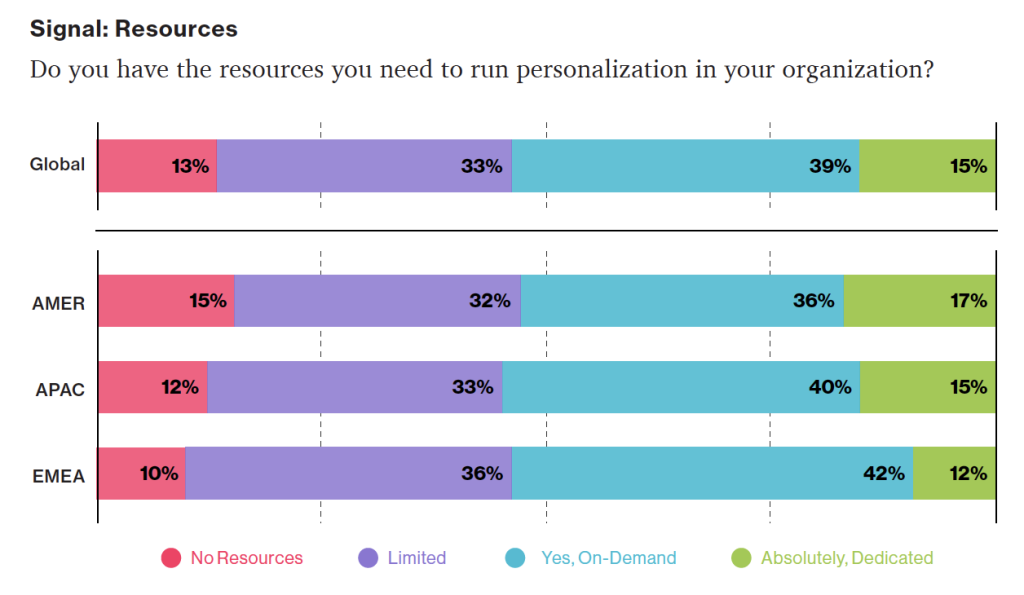
Personalization Pyramid: A Framework for Designing with User Data
As a UX professional in today’s data-driven landscape, it’s increasingly likely that you’ve been asked to design a personalized digital experience, whether it’s a public website, user portal, or native application. Yet while there continues to be no shortage of marketing hype around personalization platforms, we still have very few…
Read more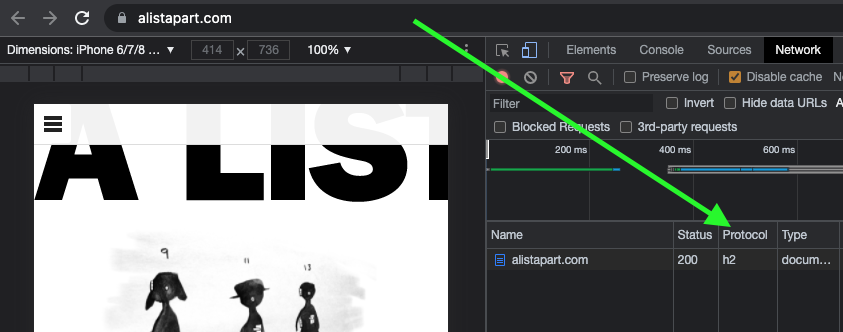
Mobile-First CSS: Is It Time for a Rethink?
The mobile-first design methodology is great—it focuses on what really matters to the user, it’s well-practiced, and it’s been a common design pattern for years. So developing your CSS mobile-first should also be great, too…right? Well, not necessarily. Classic mobile-first CSS development is based on the principle of overwriting style…
Read more
Designers, (Re)define Success First
About two and a half years ago, I introduced the idea of daily ethical design. It was born out of my frustration with the many obstacles to achieving design that’s usable and equitable; protects people’s privacy, agency, and focus; benefits society; and restores nature. I argued that we need to…
Read more
We stand with Ukraine. Here are ways you can help.
Ukrainian people are among the many contributing authors, volunteers, and members of our team that have enabled UX Magazine to serve the community for 17 years. We stand with our team members from Ukraine, and the people of Ukraine. If you want to help, here is a (growing) list of…
Read more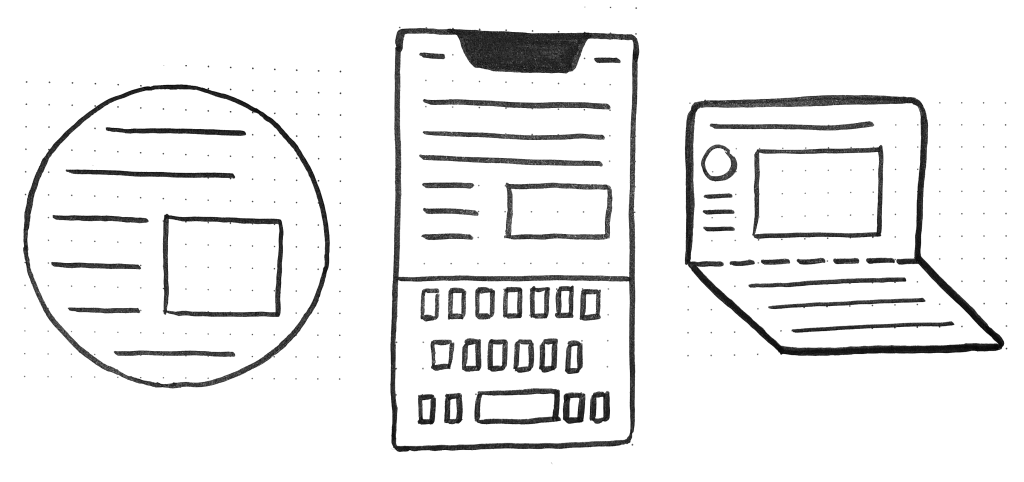
Breaking Out of the Box
CSS is about styling boxes. In fact, the whole web is made of boxes, from the browser viewport to elements on a page. But every once in a while a new feature comes along that makes us rethink our design approach. Round displays, for example, make it fun to play…
Read more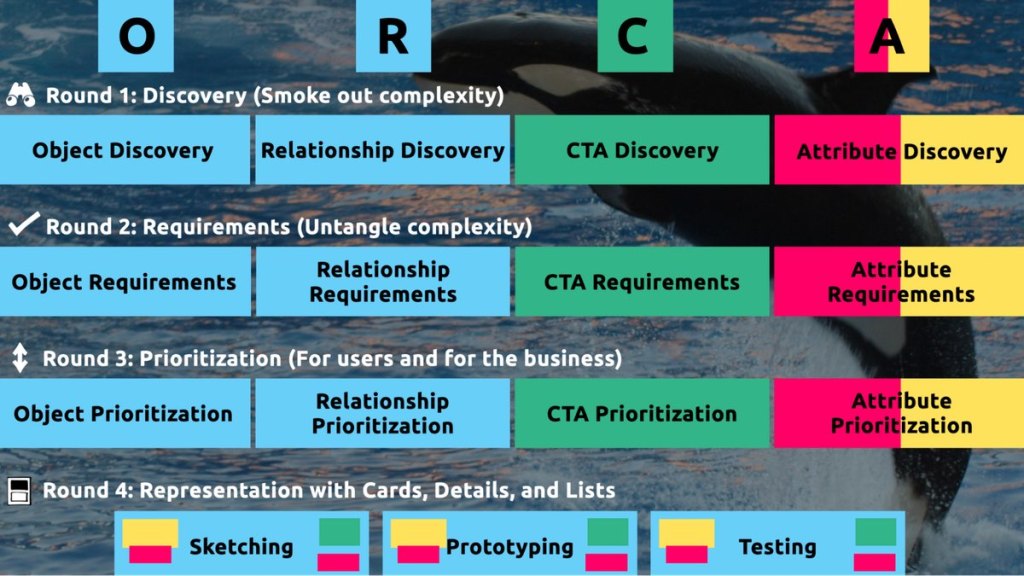
How to Sell UX Research with Two Simple Questions
Do you find yourself designing screens with only a vague idea of how the things on the screen relate to the things elsewhere in the system? Do you leave stakeholder meetings with unclear directives that often seem to contradict previous conversations? You know a better understanding of user needs would…
Read more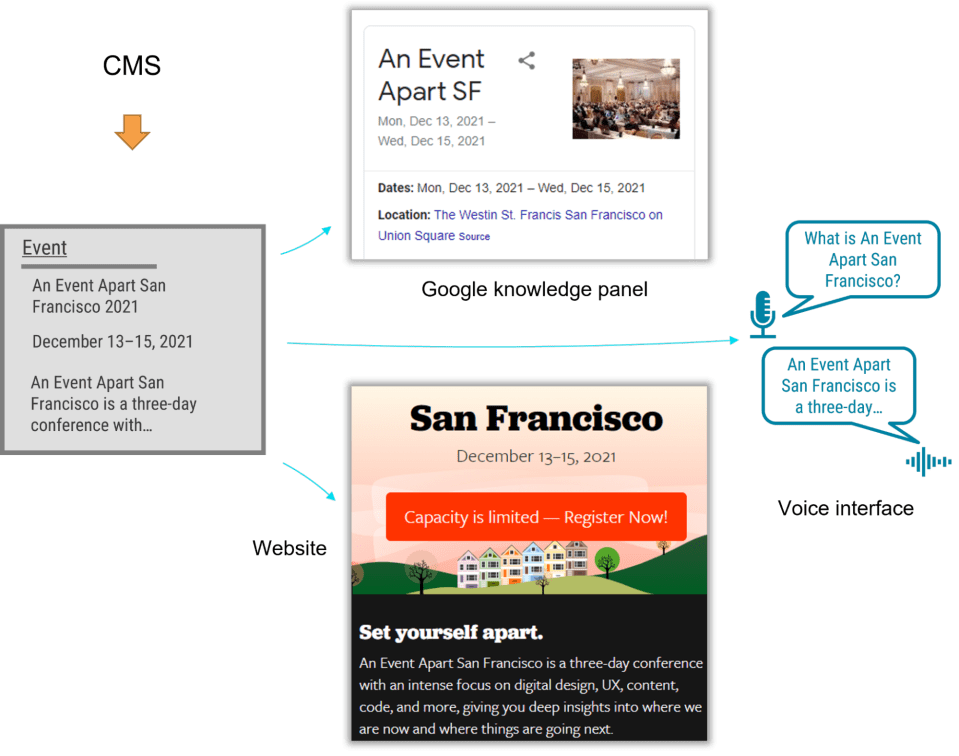
A Content Model Is Not a Design System
Do you remember when having a great website was enough? Now, people are getting answers from Siri, Google search snippets, and mobile apps, not just our websites. Forward-thinking organizations have adopted an omnichannel content strategy, whose mission is to reach audiences across multiple digital channels and platforms. But how do…
Read more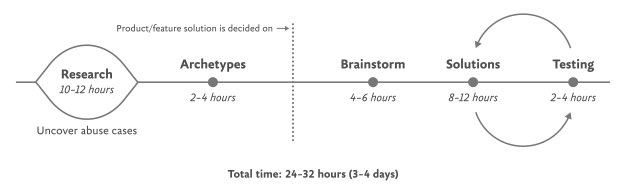
Design for Safety, An Excerpt
Antiracist economist Kim Crayton says that “intention without strategy is chaos.” We’ve discussed how our biases, assumptions, and inattention toward marginalized and vulnerable groups lead to dangerous and unethical tech—but what, specifically, do we need to do to fix it? The intention to make our tech safer is not enough;…
Read more
Sustainable Web Design, An Excerpt
In the 1950s, many in the elite running community had begun to believe it wasn’t possible to run a mile in less than four minutes. Runners had been attempting it since the late 19th century and were beginning to draw the conclusion that the human body simply wasn’t built for…
Read moreWhat you’ll find
The feed covers the parts of web design that change most often. Stories tend to fall into these areas:
- Web design trends and new visual directions
- UI and UX developments
- Responsive and mobile-first design
- Accessibility and inclusive design
- CSS and JavaScript updates
- Design tool and software releases
- AI and generative design
- Performance and site optimisation
Which stories appear depends on what the publishers post, so the mix shifts from day to day.
Web design tutorials
Many of the linked articles are tutorials, from HTML and CSS basics to responsive layouts, JavaScript, prototyping, animation and design software. Some suit people still learning the fundamentals, others help tighten an established workflow. Skim the summary, and if a technique looks useful, the link takes you to the full guide. Try it on a test page before you use it on a live client project.
UX, UI and usability
A website has to do more than look good. It has to be intuitive and accessible, or visitors leave. Expect stories on user-centred design, information architecture, wireframing, navigation, interaction design, mobile usability and user research. Most of them are about principles you can apply straight away.
Design inspiration and visual resources
Ideas turn up in odd places, so the feed includes creative work such as interfaces, branding projects, illustration and typography. Publishers also post practical resources, including UI kits, icons, templates, mockups and colour palettes. We don’t test or review these ourselves, so check the licence before you use anything in a client project.
Typography and web fonts
Type choices affect readability, hierarchy and how a brand feels. Articles cover web fonts, font pairing, variable fonts, responsive type, licensing and performance. A minimal interface and a bold brand site need very different type, so it helps to read how other designers approach the problem.
Photography and imagery
Strong imagery can make or break a page. Stories touch on photography, composition and editing, along with the technical side: responsive images, compression and assets that load quickly without looking soft.
Adobe and design tools
Adobe Creative Cloud is still central to many workflows, and Adobe is one of the publishers in the feed, so expect tutorials and updates for Photoshop, Illustrator and Adobe Express. Figma, collaborative design platforms, plugins and AI-powered tools turn up as well. Release news often comes from the vendor itself, so read it with that in mind.
WordPress, performance and SEO
WordPress runs a large share of the web, so theme and plugin news and tips for building faster sites appear regularly. Performance and SEO stories sit alongside them, because a design that loads slowly or can’t be found doesn’t do its job. Core Web Vitals, image handling, markup and accessibility all affect how a site ranks and how it feels to use.
Design systems and front-end development
Design systems and front-end development are where designers and developers meet. Stories cover component libraries, design tokens, modern CSS layout, JavaScript frameworks and handoff habits. If you work on either side of that line, they help you speak the same language as your colleagues.
AI in web design
AI is now part of everyday design work, from generating layouts and copy to speeding up repetitive tasks. The feed picks up stories on what these tools can do and where they fall short. Publishers differ in how sceptical they are, so read more than one before drawing conclusions.
What this site doesn’t do
A few limits are worth stating plainly. We don’t write the articles, so we can’t vouch for every claim in them, and the reporting and opinions belong to each publisher. We don’t review the tools, templates or tutorials that get linked. A story can also be out of date by the time you read it, so check the date before you act on it.
Who it’s for
Mostly people who design or build websites, whether freelance, at an agency or in-house. Front-end developers and UX researchers will find plenty, and students can use it to see how working designers talk about their craft. It works well as a coffee-break scan. It’s less useful if you want original opinion or in-depth tutorials written for this site.