Web Designer News is a daily source of web design news, built for people who build and design websites for a living. We gather the best articles, tutorials and resources from publications the industry already trusts, including Smashing Magazine, Specky Boy, Web Designer Depot, Adobe, Designmodo and Just Creative, and put them in one place so you don’t have to chase them across a dozen tabs.
Good design news is more than a list of headlines. A new CSS feature, a change in Figma or an update to accessibility guidance can alter how a web designer works within weeks. We pick out the stories that matter and explain what they mean for real projects, whether you freelance, work in an agency or run an in-house team.
Everything here is organised around the way web design is actually practised: UI and UX, responsive layouts, typography, branding, CSS, JavaScript, WordPress, performance and SEO, plus the tools and AI developments shaping the work. Read a quick update over coffee, or settle in with a tutorial when you have time to learn something new. Our aim is simple: keep you informed, save you time and send you back to your own work with better ideas.
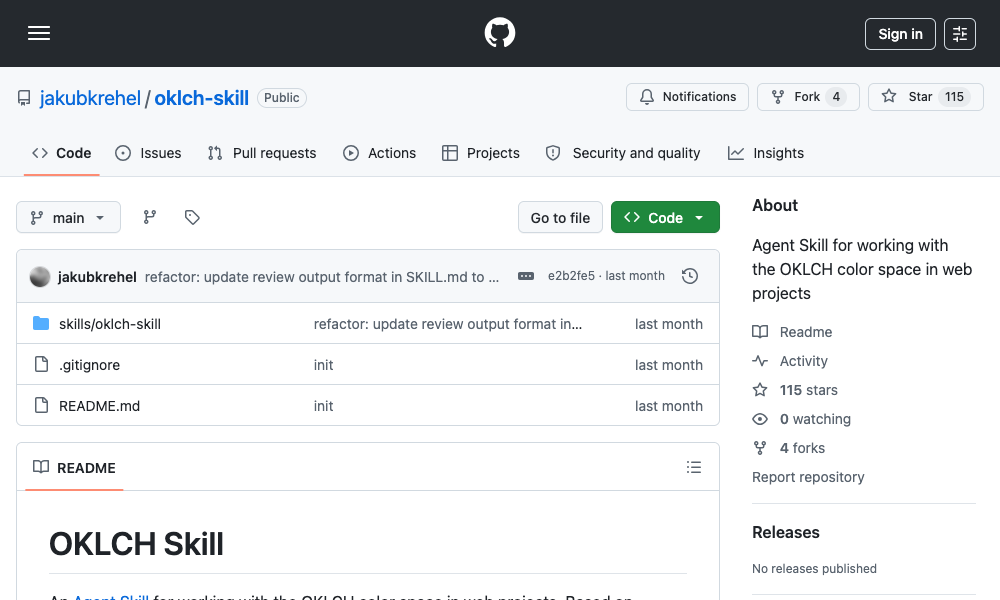
10 AI Skills to Give Your Coding Agent Real Design Taste
AI coding agents write functional code but lack design taste. These 10 installable AI skills teach your agent color theory, typography, and UI principles. The post 10 AI Skills to Give Your Coding Agent Real Design Taste appeared first on Hongkiat. AI coding agents can write functional code. But getting…
Read more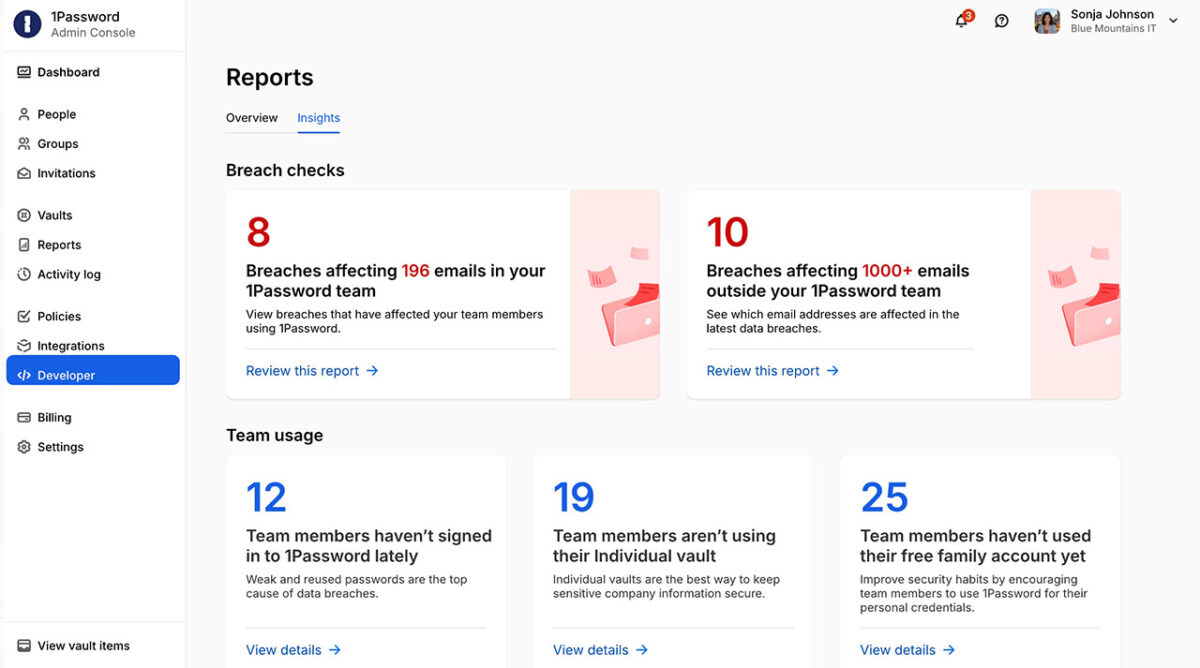
10 1Password Features You Should Actually Set Up
These 1Password features go beyond saving logins, from Travel Mode and expiry alerts to shared vaults, Wi-Fi QR codes, and emergency access planning. The post 10 1Password Features You Should Actually Set Up appeared first on Hongkiat. Most people use 1Password for the obvious job: save the login, fill the…
Read more
Users Don’t Need More Tools: They Need Seamless Integrations
A closer look at why users don’t need more tools in their daily lives. What they need are seamless integrations of useful features to match already existing, established mental models. Brought to you by Design Patterns For AI Interfaces, **friendly video course on UX** and design patterns by Vitaly. We…
Read more
Matching AI Modality To User Intent: Designing The Right Interface
We’ve fallen into conversational tunnel vision, defaulting every AI capability into a chat-based interface simply because LLMs are trained on dialogue data. But great UX is about matching modality to users’ context, intent, and cognitive load, so the interface adapts to the user, not the other way around. The design…
Read more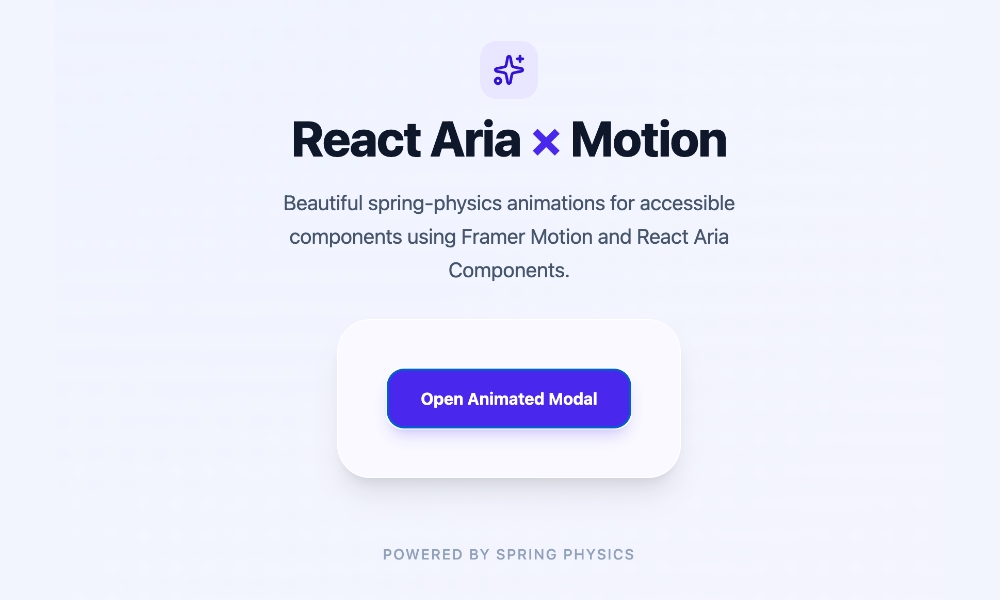
How to Add Animation on React Aria Components
React Aria ships with no animations by default. Here's how to add smooth transitions to Popover, Modal, and Menu using CSS or the Motion library. The post How to Add Animation on React Aria Components appeared first on Hongkiat. React Aria Components gives you a library of accessible, headless UI…
Read more
Designed for a Dead Language
Every language app in your pocket inherited a teaching method built for Latin. Understanding why that happened is a more useful design lesson than anything the apps themselves will teach you. In 1788, Prussia introduced the Abitur, a standardized national examination required for entry into universities and the civil service.…
Read more
Fresh Resources for Web Designers and Developers (June 2026)
June is as good a time as any to highlight new tools and resources for our fellow web developers. This month’s batch covers everything from GPU-accelerated terminal emulators to AI-powered code audit agents, from declarative document typesetting to terminal-based spreadsheets. Whether you’re doing front-end or backend, I believe there’s something…
Read more
Why Accessibility Is An Operational Capability, Not A Feature
Teams can generate UI faster than ever, but they still have to guarantee that what they ship is usable, secure, and maintainable. Accessibility as an operational capability rather than a compliance checklist or end-of-project audit, and what that looks like in practice. This article is a sponsored by Level Access…
Read more
Snapshots Of Summer (July 2026 Wallpapers Edition)
July is just around the corner, and that means... It’s time for some new desktop wallpapers! As every month, the wallpapers in this collection were created by the community for the community and can be downloaded for free. Enjoy! The scent of rain after a hot day, watching the moon…
Read more
The Prompt Is the New Brief
Part 2 of the “UX × AI” series. In the first part of the series, we dismantled the most dangerous myth in the design community right now — that AI is coming to replace the designer. We replaced it with a more accurate and more useful frame: AI is your…
Read more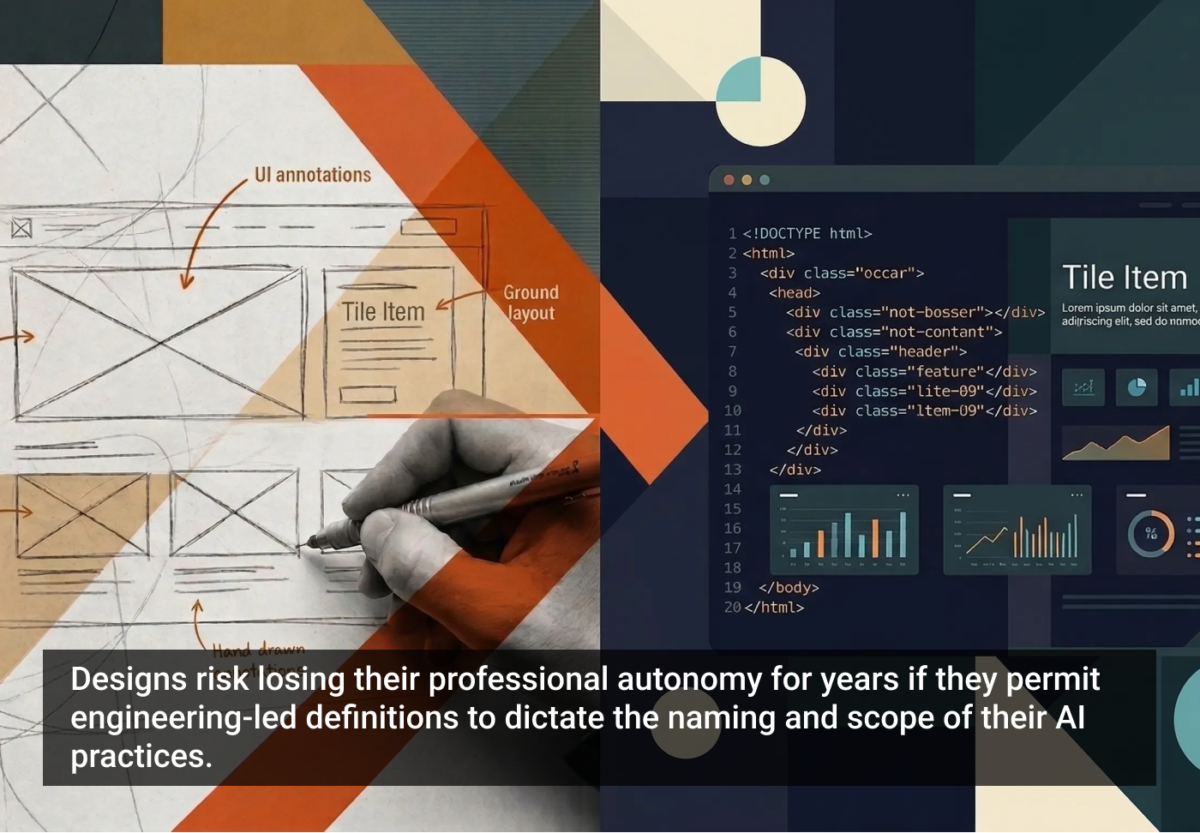
Beyond Vibe Coding: A Designer’s Case for Directed Generation
The name got there first “Vibe coding” is a useful description of a specific, low-accountability behavior. You describe something loosely, accept what the model generates, and don’t concern yourself too much with understanding the output. Andrej Karpathy named it accurately in early 2025 — for the thing he was actually…
Read more
AI Is Your New Intern, Not Your Replacement
Part 1 of the “UX × AI” series. Foreword: Why this series exists, and why I am writing it Before I make any argument, let me tell you something personal. I have been in this field for over 25 years. I have watched UX absorb wave after wave of disruption…
Read more
The Agile Trap Designers Fall into: Feeding the Beast
One of the most common complaints designers have about working on agile teams is the feeling that there’s never enough time. There’s always another feature to design. Another sprint is starting. Another ticket is waiting for input. Even when a feature ships, the work doesn’t necessarily stop. Agile teams are…
Read more
Designing With Uncertainty: How AI Supercharges Probabilistic Thinking
In a world where AI is informing more design choices, it’s easy to mistake predictions for certainties. This article introduces Probabilistic Design, a mindset that allows UX and product teams to accept uncertainty, decipher AI outputs with nuance, and make smart, adaptive decisions. In 2024, an Air Canada customer asked…
Read more
Gamification 2.0. Beyond Points and Badges: Designing for Players, Not Metrics. Conclusion
Part 6 of the “Gamification Series.” Design for players, not metrics Through decades of watching games evolve from 8-bit sprites to photorealistic 3D, from arcade cabinets to cloud gaming, from niche hobby to global culture, one principle has remained constant: people play games because games are worth playing. Not because…
Read more
The Impact Of Humanoid Robots On Humanity
We have officially moved past the era of humanoid robots as mere public relations stunts. As they become increasingly lifelike, society may soon face profound social, psychological, and ethical challenges. What happens when the boundary between humans and machines becomes almost impossible to distinguish? For decades, science fiction has cushioned…
Read more
Nuclear Fusion, No Power Lines
Jonathan Frankle on why frontier models outran our ability to specify, evaluate, and curate, and what that means for design leaders shipping agentic systems. The metaphor lands because it names the embarrassment. On his return to Invisible Machines, a conversation recorded last summer, Jonathan Frankle, Chief AI Scientist at Databricks…
Read more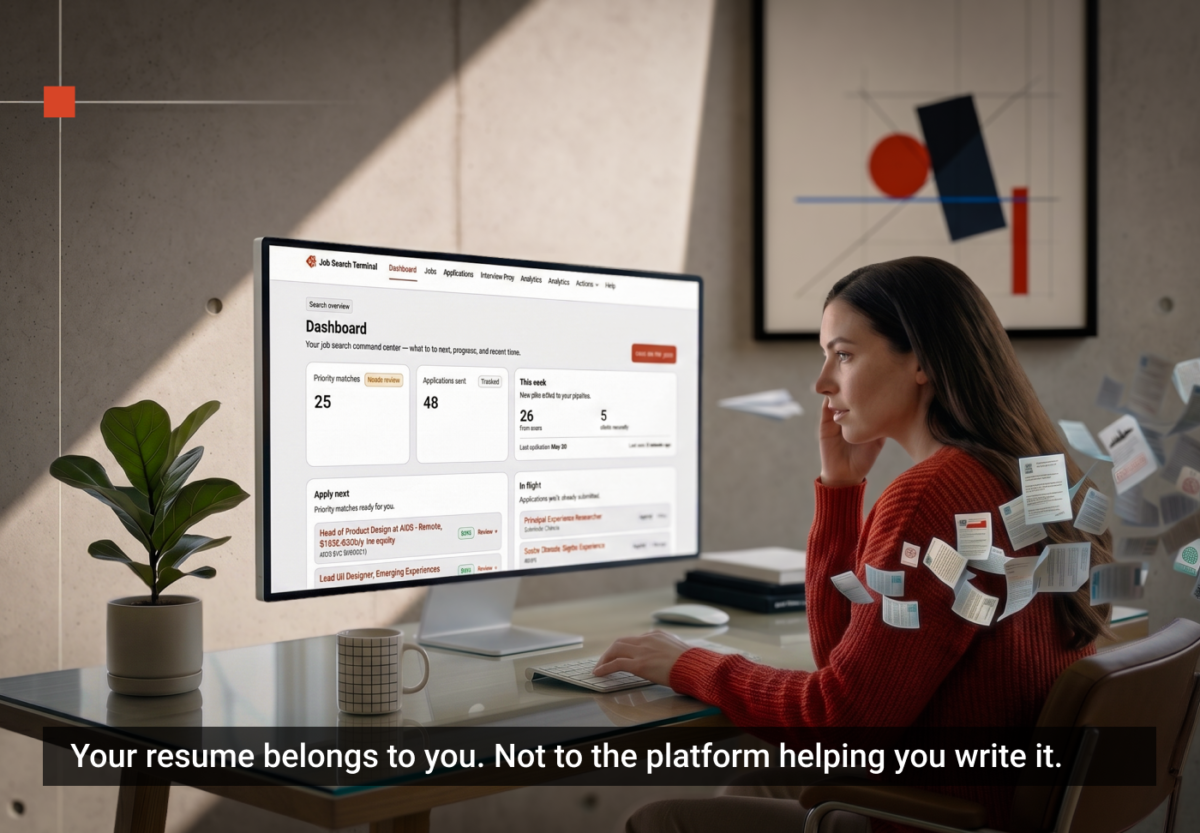
Job Search Terminal: A Local-First Tool for an AI-Shaped Job Market
The hiring system adopted AI quickly. Job seekers got left trying to explain themselves to machines they cannot see. And somehow, the burden keeps landing on the applicant: learn the tools, rewrite the resume, decode the algorithm, and pay for another platform just to participate in a process that should…
Read more
The Benefits Of Cognitive Inclusion In UX Research
Findings from an exploratory user research study highlighting the unique insights and practical UX recommendations shared by participants with cognitive disabilities. In the summer of 2024, I became co-chair of a working group of expert researchers who came together to determine how best to perform accessibility testing with people with…
Read more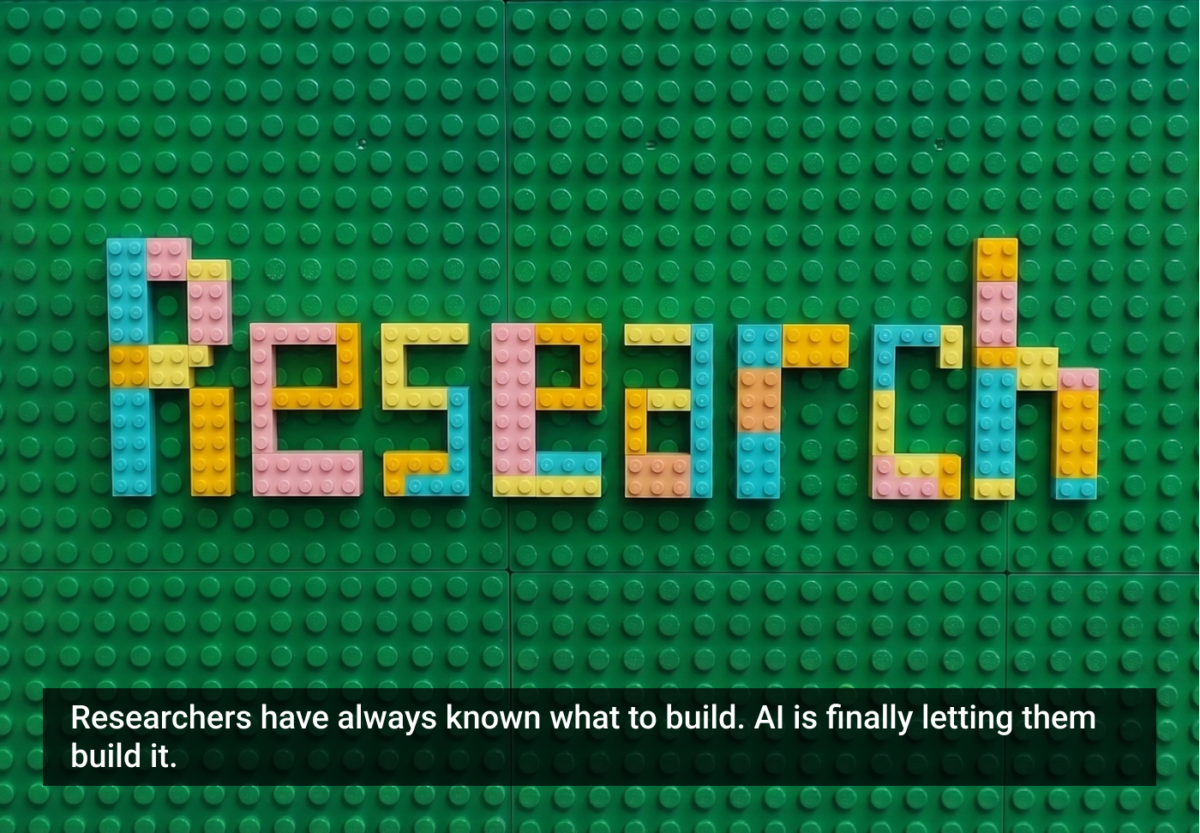
The New Makers
Freeze-dried backpacking food. A personal finance app. A photo booth. A community dinner for refugees. The perfect coffee mug. An app to teach kids about AI. An exhibit at the V&A Museum. All of these things were made by researchers. It’s never been easier for researchers to turn their ideas…
Read more
Gamification 2.0. Beyond Points and Badges: Designing for Players, Not Metrics. Chapter 5: Implementation
Part 5 of the “Gamification Series.” A framework for developers: from theory to practice Everything I’ve outlined so far is meaningless if you can’t apply it. So let me give you a practical framework for actually implementing Gamification 2.0. Step 1: Stop copying mechanics; choose a genre Your first question…
Read more
A Problem Framing Kernel
What you need before you have a problem worth solving A few weeks ago, I caught up with my good friend Lucas Mara, a thoughtful design leader. We were deep in a conversation about the value of design in the age of AI when he mentioned Richard Rumelt’s classic, Good…
Read more
How To Make Your Design System AI-Ready
Practical guide on how to reduce drifts, minimize mistakes, maintain context, and improve the quality of AI-generated prototypes. Brought to you by Design Patterns For AI Interfaces, **friendly video course on UX** and design patterns by Vitaly. AI-generated prototypes often don't deliver consistently decent results because of tiny inconsistencies scattered…
Read more
Gamification 2.0. Beyond Points and Badges: Designing for Players, Not Metrics. Chapter 4: Special Considerations
Part 4 of the “Gamification Series.” The education problem: why kids see through bad gamification Let me tell you about a conversation I had with my nephew. He’s twelve. He plays Minecraft for hours, building elaborate redstone contraptions, coordinating with friends on servers, and learning basic programming through command blocks.…
Read more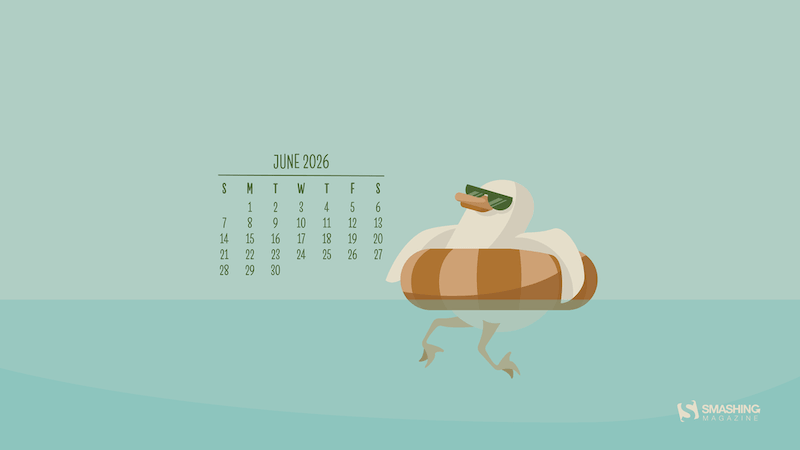
June Is For Exploring (2026 Wallpapers Edition)
Let’s kick off June — and the beginning of summer — with some fresh inspiration! Artists and designers from across the globe once again tickled their creativity to welcome the new month with a new collection of desktop wallpapers. Enjoy! Everyone has a creative spark in them. Some bring their…
Read more
Algorithmic Theming Engines: Building Self-Correcting Color Systems With `contrast-color()`
Seventy percent of websites still fail basic WCAG contrast checks in 2025. After years of design system tooling, accessibility linters, and JavaScript libraries, nothing moved the needle. We didn’t need better libraries. We needed better CSS. `contrast-color()` is that better CSS. The HTTP Archive Web Almanac has been tracking color…
Read more
The Part of Agile Designers Fear the Most: Imperfect Work
One insight from Laura Klein that stuck with me is that in a minimum viable product, teams often forget the word “viable.” A thing that surprised me while studying agile product development is how psychological it is. We often talk about agile as if it were purely a process. There…
Read more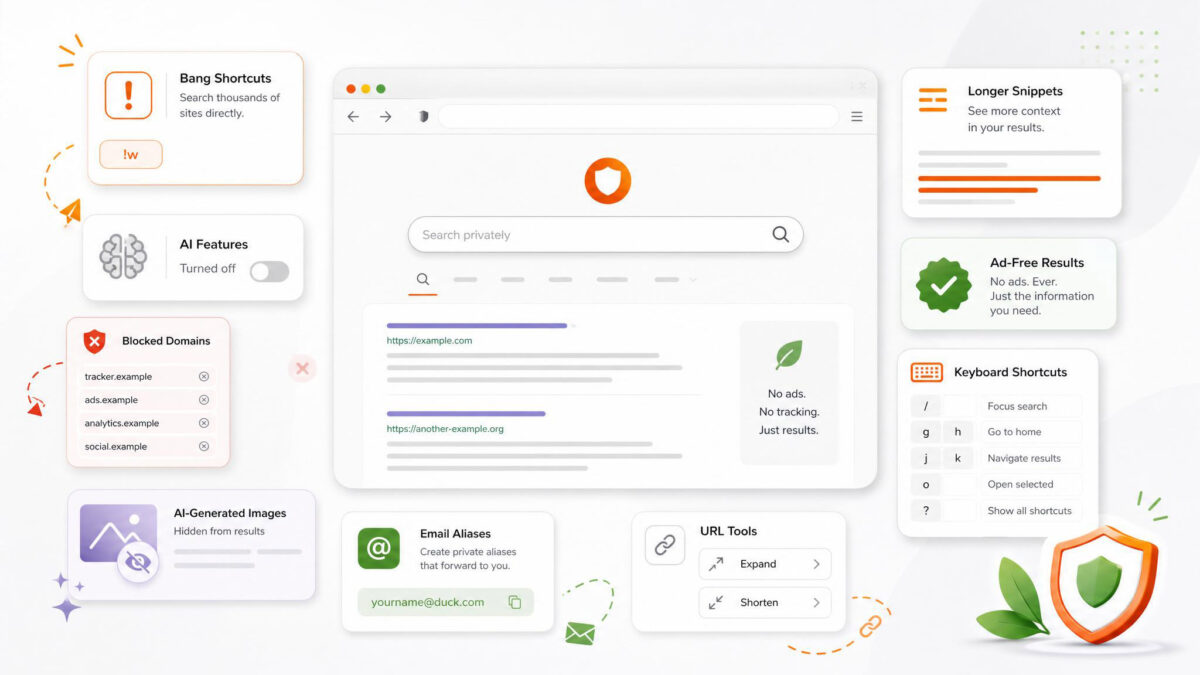
10 DuckDuckGo Features Worth Using Beyond Private Search
DuckDuckGo does more than private search. These settings and shortcuts make it cleaner, faster, and more useful every day. The post 10 DuckDuckGo Features Worth Using Beyond Private Search appeared first on Hongkiat. Most people switch to DuckDuckGo for privacy. That is a good reason, but it is not the…
Read moreLatest Web Design News and Industry Trends
The web design industry rarely stands still. New frameworks, AI tools, accessibility standards and design systems keep changing how sites get built, and checking dozens of websites every day to follow it is not realistic. Our web design news coverage does that legwork for you.
We follow the developments that affect daily practice:
- Emerging web design trends and new visual directions
- UI and UX developments
- Responsive and mobile-first design
- Accessibility and inclusive design
- CSS and JavaScript updates
- Design tool and software releases
- AI and generative design
- Performance and site optimisation
Each story comes with context. We want you to understand why a change matters and how it might affect your next project, not just that it happened.
Web Designer Tutorials You Can Use
Good design comes from steady learning, and the tutorials we feature are chosen for how well they transfer to real work. You will find practical guides on HTML and CSS, responsive layouts, JavaScript, UI design, prototyping, animation, accessibility, site performance and design software.
Some readers are still learning the fundamentals. Others are tightening up an established workflow. Either way, the goal is to make complicated subjects easier to follow, so you can try a technique on a live project the same day you read about it.
UX, UI and Usability
A website has to do more than look good. It needs to be intuitive, accessible and pleasant to use, or visitors leave. Our UX and UI content looks at user-centred design, information architecture, wireframing, prototyping, navigation, interaction design, mobile usability, user research and conversion-focused experiences.
The emphasis is on principles you can apply straight away. Better decisions come from understanding real users, and that is the thread running through most of what we publish for the modern web designer.
Design Inspiration and Visual Resources
Ideas turn up in unexpected places, so we share creative work from across the industry: striking interfaces, branding projects, illustration, typography and visual trends worth a second look.
Alongside the inspiration sits a library of practical resources, including UI kits, icons, templates, mockups, illustrations, stock photography and colour palettes. We review or curate these for relevance and usefulness instead of padding a list for search traffic.
Typography and Web Fonts
Typography shapes readability, hierarchy, personality and brand perception, which makes it one of the most important decisions in web design. Our typography articles cover web fonts, font pairing, variable fonts, responsive type, licensing and performance. A minimal interface and a bold brand site need very different type choices, and we aim to give you enough information to make them with confidence.
Photography and Visual Storytelling
Strong imagery can make or break a page. We look at photography, image selection, composition, editing and visual storytelling, along with the technical side: responsive images, compression, colour correction and choosing assets that load fast and still look sharp.
Adobe Creative Cloud and Design Tools
Adobe Creative Cloud is still central to many professional workflows, so we publish tutorials, updates, techniques and productivity tips for Photoshop, Illustrator, Adobe Express and other Adobe applications.
We also follow the wider toolset. That includes Figma, collaborative design platforms, plugins and AI-powered tools that are changing how creative teams work together. When a new release or feature appears, we look at what it does in practice and who it helps, rather than repeating the press release.
WordPress, Performance and SEO
A large share of the web runs on WordPress, so it gets regular attention here, from theme and plugin news to practical tips for building faster, cleaner sites. We pair that with coverage of website performance and SEO, because a design that loads slowly or cannot be found does not do its job. Core web vitals, image handling, markup and accessibility all affect how a site ranks and how it feels to use.
Design Systems and Front-End Development
Design systems and front-end development sit at the point where designers and developers meet. We cover component libraries, design tokens, modern CSS layout, JavaScript frameworks and the handoff habits that keep teams aligned. If you work on either side of that line, these stories help you speak the same language as your colleagues and ship work that holds together as a project grows.
AI in Web Design
AI is now part of everyday design work, from generating layouts and copy to speeding up repetitive production tasks. We track what these tools can do, where they fall short and how designers are using them without losing their own judgement. Expect balanced reporting rather than hype, and a focus on practical use.
A Resource for the Web Design Community
Whether you are a web designer, front-end developer, UX researcher, creative director, freelancer, agency owner or student, Web Designer News is built to help you learn and stay current. We believe design news and advice should be practical, accessible and grounded in the realities of building digital products today. Our job is to connect you with reliable information, thoughtful opinion and useful tools. As the industry changes, so will we. Follow Web Designer News for fresh web design news, tutorials, trends and inspiration.